Crimson Desert’s BlackSpace Engine vs. Unreal Engine 5: The Real Lesson for Game Dev Students
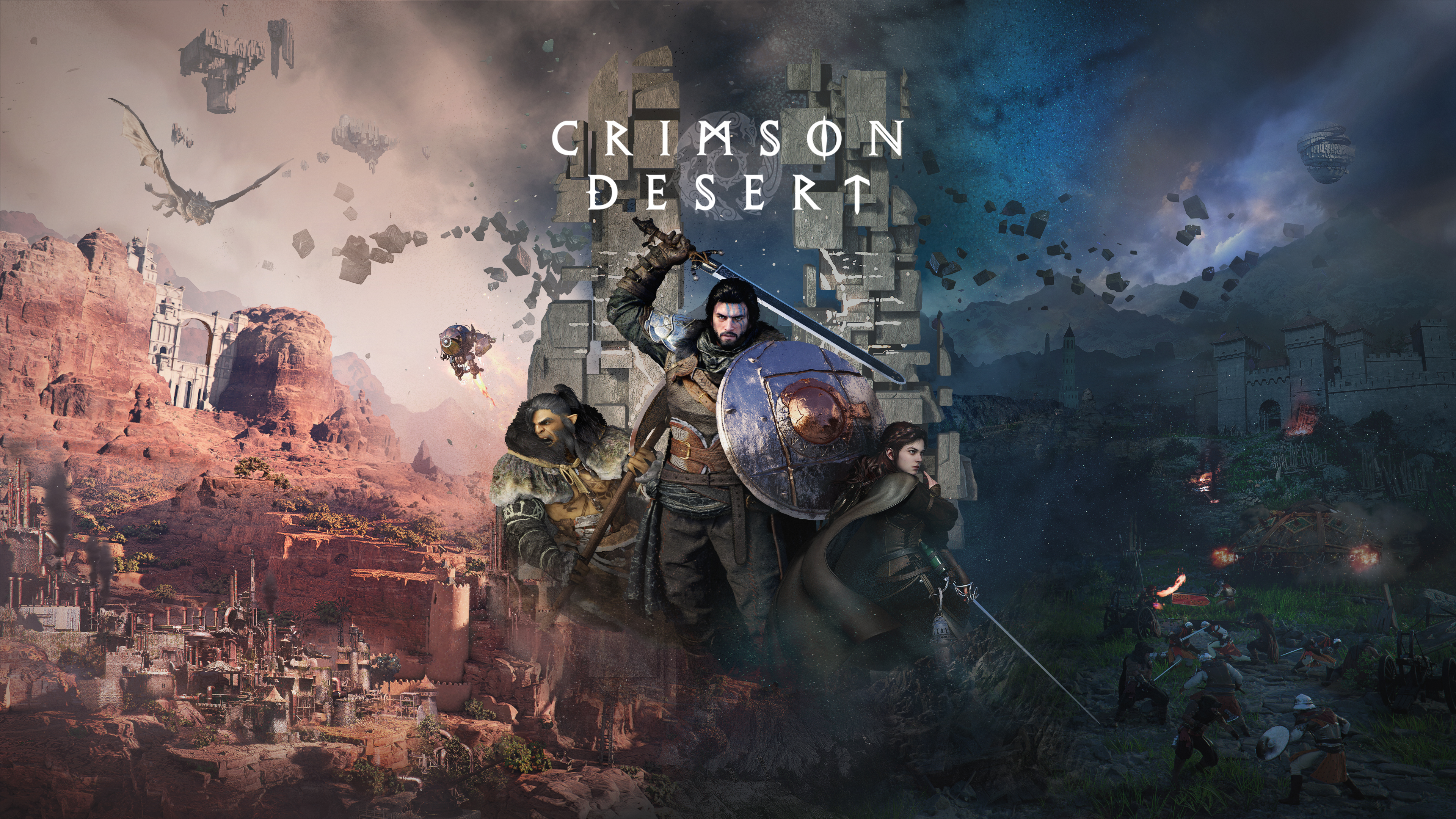
Everyone is talking about how stunning Crimson Desert looks. But if you are studying game development, you should ask a better question: How is it running all those complex systems without breaking?
The answer lies in Pearl Abyss’s proprietary BlackSpace Engine. In several key areas of systems design, it is quietly outpacing even Unreal Engine 5 (UE5), which is famous for. Let’s break down what actually matters under the hood, and what it means for your next project.
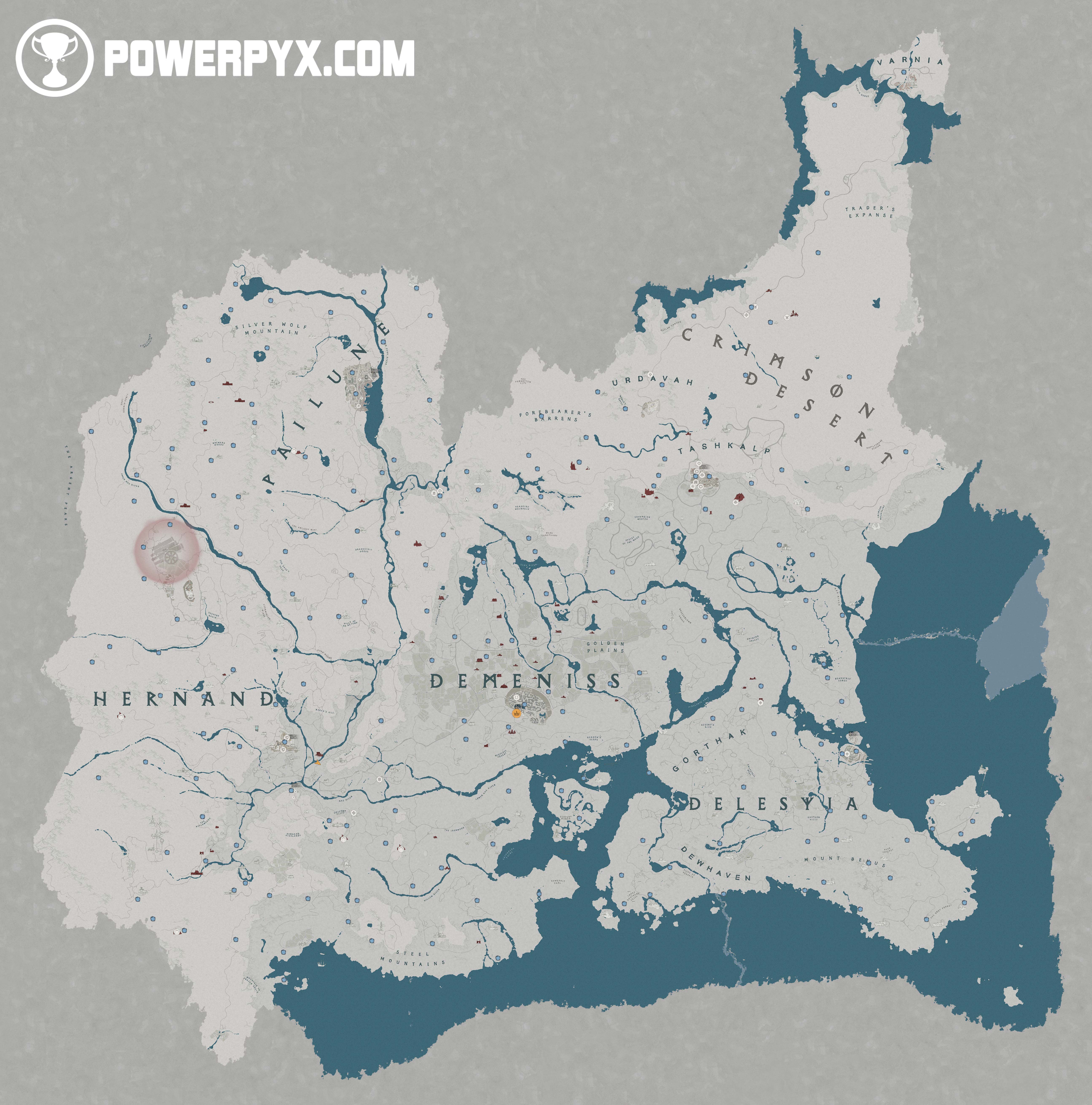
1. Open-World Level Design: BlackSpace Seamless Traversal vs. UE5 World Partition
Unreal Engine 5 is the industry standard for large worlds, relying heavily on tools like Nanite and World Partition. However, under the hood, a lot of that still relies on smart asset streaming, culling, and masking transitions.
BlackSpace, on the other hand, leans entirely into true seamless traversal. Because it doesn’t have to support countless legacy formats or varied game genres, BlackSpace can hardcode its memory allocation and asset streaming specifically for an open-world RPG’s camera speed and draw distance. The result? Fewer visible transitions and fewer “hidden tricks.”
Student takeaway: Seamlessly manage complexity to preserve immersion. Prioritize memory and engineering, not just graphics.
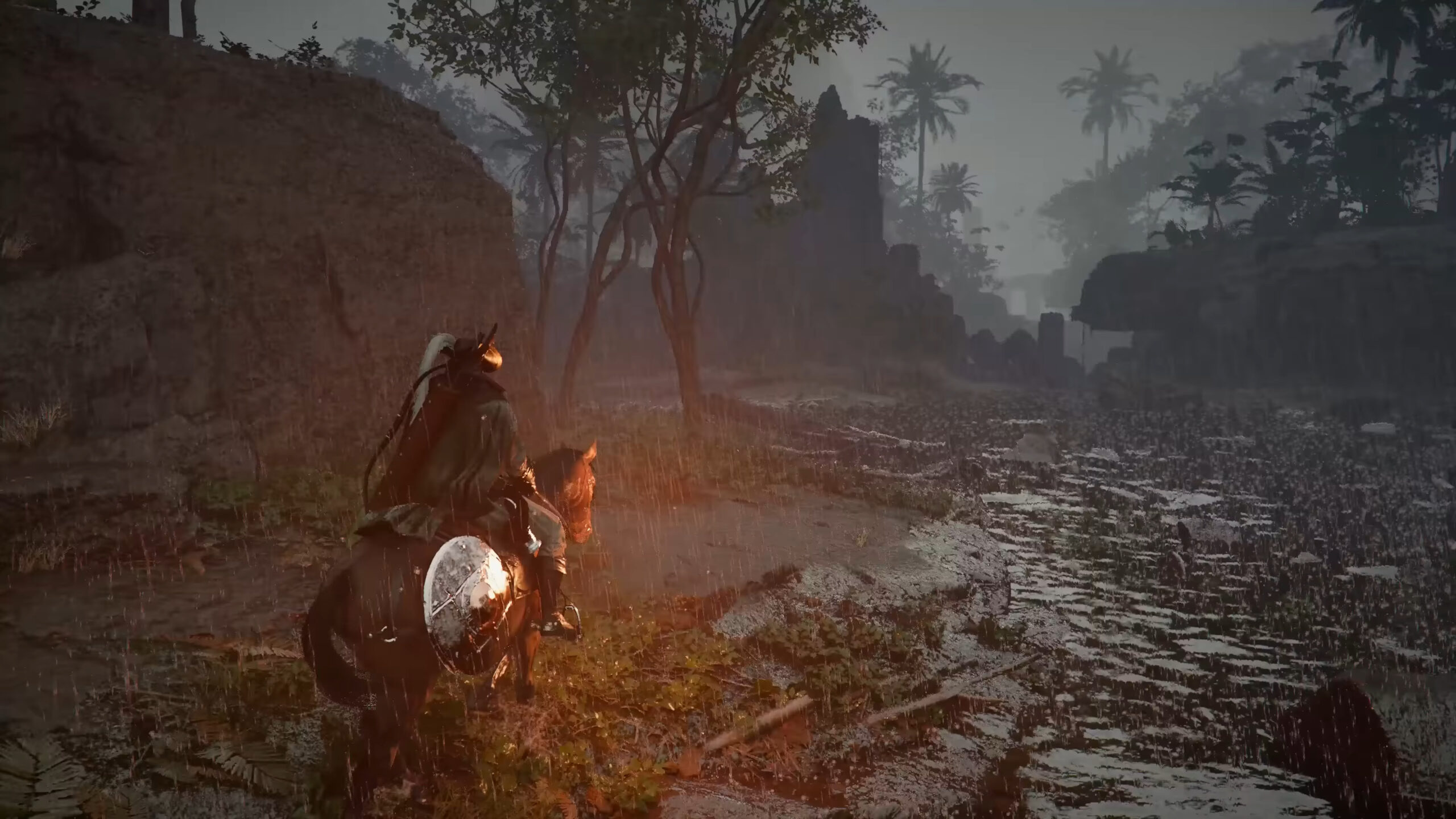
3. Systemic Weather vs. Cosmetic Weather Effects
Most modern engines give you incredible tools for visual weather. UE5’s Niagara system, for example, can create cinematic storms and gorgeous rain effects.
But BlackSpace pushes weather from an art asset into a core gameplay loop:
- Wind direction actively affects movement and projectile trajectories.
- Terrain conditions shift in real-time (mud slows movement, water flow disrupts paths).
- Visibility genuinely forces players to change combat decisions.
Student takeaway: Let weather affect gameplay, not just visuals. Add a simple system like rain-slowing movement.
4. Animation Integration: Making Motion Responsive
UE5’s animation tools, like Control Rig and Motion Matching, are industry-leading. Yet, they still require meticulous integration with physics to prevent characters from feeling like they are sliding on ice.
Crimson Desert blends physics and animation tightly:
- Characters stumble, react, and recover dynamically based on terrain.
- Enemy hits don’t just trigger canned animations; they disrupt the player’s actual momentum.
- Movement adapts to sloped terrain and debris in real-time.
Student takeaway: Responsive animation means tight integration with physics. Connect animation states with physics.
5. The Proprietary Engine Advantage: Tailored vs. General Purpose
Here is where BlackSpace holds a quiet advantage over UE5. Unreal Engine 5 is designed for everyone. It gives developers a massive head start with out-of-the-box tools, but the trade-off is code bloat.
BlackSpace is designed specifically for this game. That means no unnecessary overhead. It strips away the bloat, focusing GPU and CPU cycles entirely on complex, interconnected systems tailored to specific action-RPG mechanics.
Student takeaway: Use the engine that best fits your game’s goals, not just its popularity.
Is BlackSpace "Better" Than Unreal Engine 5?
No, but it is much more efficient at its specific job. While Unreal Engine 5 remains the unmatched industry standard for general-purpose development and rapid prototyping, BlackSpace proves that a heavily tailored proprietary engine can outperform a generalist engine in its specific gameplay loop.
Unreal Engine 5 gives developers unparalleled accessibility and a massive asset ecosystem. But the BlackSpace Engine highlights a crucial lesson for up-and-coming developers: focus on building rock-solid systems first. Let the engine serve the mechanics, not the other way around.
More for You

Why Choose Between Engineering and IT When the Future Needs Both?

Beyond the Code: Integrating Strategic Foresight Methodology into AI and System Integration

From IT Support to Cybersecurity and Cloud Computing Educator: The Career Journey...
UNIMY Launches Cybersecurity Lab, Powered by Fortinet, at “Career Talk: Securing the...