AI, Robots and You:
Careers in Robotics Without
a Science Fiction Degree

When you hear the word robotics, you might imagine sci-fi movies, humanoid robots or scientists in lab coats building machines far beyond your reach.
Reality check: robots are already everywhere, and you don’t need a science fiction degree to work with them.
If you’re a high school leaver curious about AI, automation, gaming logic, engineering or smart machines, robotics might be closer than you think.
Robots Are Already Part of Everyday Life
Robotics isn’t about the future. It’s about now.
Robots power:
- Warehouse automation and delivery systems
- Self-checkout machines and smart kiosks
- Medical equipment and surgical tools
- Manufacturing and assembly lines
- Agriculture and smart farming
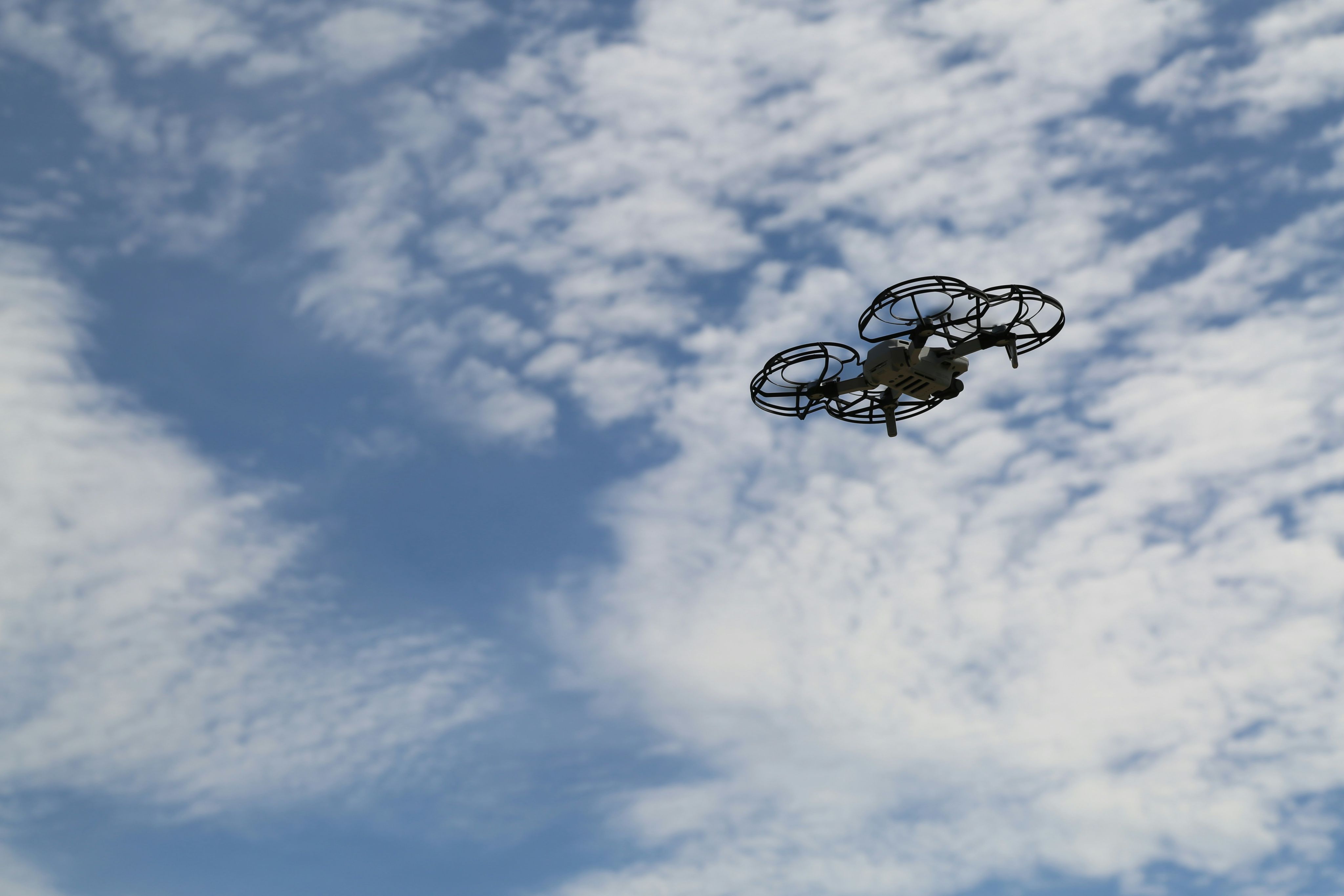
- Drones, smart cameras and autonomous vehicles
Behind every one of these systems is a team of people making sure the technology works safely and smoothly.
Robotics Is More Than Building Robots
Here’s a secret most people don’t tell you: very few robotics professionals actually build robots from scratch.
Instead, they:
- Program how robots move and react
- Use AI to help machines make decisions
- Test and improve robotic systems
- Maintain and upgrade automation tools
- Integrate robots into real-world environments
Robotics is about problem-solving, logic and creativity, not just hardware.
Robotics Careers You Can Actually Get Into
You don’t need to be a genius inventor to work in robotics. There are many roles that fit different skills.
Robotics Software Engineer
- You write the code that tells robots what to do and how to respond.
AI & Machine Learning Specialist
- You help robots learn from data and improve over time.
Automation Technician
- You install, maintain and troubleshoot robotic systems in real workplaces.
Robotics Systems Integrator
You connect robots with sensors, software and existing systems.
Robotics UX Designer
Yes, robots need good user experiences too.
Each role plays a part in making machines useful, safe and efficient.
You Don’t Need a “Robot Degree” to Start
Robotics is a mix of skills, and that’s great news. Popular study pathways include:
- Computer Science or Software Engineering
- Mechatronics or Electrical Engineering
- Information Technology
- Artificial Intelligence or Data Science
- Game Development or Interactive Design
Many robotics professionals start with software or IT, then specialise later.
Why Robotics Is a Smart Career Choice
Robotics careers are growing because businesses want to work smarter, not harder. This means:
- High demand across industries
- Strong earning potential
- Opportunities to work globally
- Skills that stay relevant as technology evolves
From factories to hospitals to smart cities, robots need humans behind them.
Robotics Is About Impact, Not Movies
Forget movie robots taking over the world. In real life, robotics helps:
- Doctors perform safer surgeries
- Farmers grow food more efficiently
- Workers avoid dangerous tasks
- Businesses reduce waste
- Communities build smarter infrastructure
This is technology with purpose.
The Bottom Line: The Future Needs Human-Powered Robots
Robots may run on code and circuits — but they’re built, guided and improved by people like you.
If you want a career that:
- Combines AI, tech and creativity
- Solves real-world problems
- Works across industries
- Grows with the futu re
Then robotics isn’t science fiction. It’s a serious career, and you can be part of it.