Why Study Information Technology

In today’s digital age, information technology has become a fundamental part of daily life — reshaping how we work, communicate, and access information. From smartphones to cloud computing, IT has advanced rapidly, fuelling a thriving job market. Studying IT can open the door to a genuinely fulfilling career, and a real chance to contribute to society’s growth.
3 Reasons to Pursue a Career in IT
High Demand
As businesses lean more heavily on technology, demand for IT professionals keeps climbing — across finance, healthcare, retail, manufacturing, and nearly every other industry. Studying IT improves your odds of landing a job in a field with real stability and room to grow.
Wide Career Options
An IT background opens the door to diverse career paths — software development, cybersecurity, network administration, database management, and more — giving you flexibility to work across industries and sectors.
Competitive Salaries
IT is known for competitive pay, especially for professionals with specialised skills and certifications.
Career Opportunities in IT
Malaysia’s IT industry is growing quickly, with a range of career paths and salary levels to match:
- Software Developer/Engineer: Designs, builds, tests, and maintains software applications across programs, mobile apps, and web applications. Average salaries in Malaysia range roughly RM50,000–RM100,000 a year, depending on skill and experience.
- Network Administrator: Manages and maintains an organisation’s computer networks — setting up, configuring, and monitoring equipment while keeping the network secure and running smoothly. Average salaries range roughly RM40,000–RM120,000 a year.
- Cybersecurity Analyst: Protects an organisation’s systems and networks from cyber threats, developing security measures, monitoring for intrusions, and investigating breaches when they happen. Average salaries range roughly RM50,000–RM80,000 a year.
Career Pathways
After earning a degree in IT, graduates can pursue advanced studies or build professional certifications to sharpen their skills and job prospects. A few common paths:
- Software Developer: Typically requires a degree or diploma in computer science, software engineering, or a related field, often paired with certifications in languages like Java, Python, or C++ — such as Microsoft Certified Solutions Developer (MCSD) or Oracle Certified Professional: Java SE 11 Developer.
- Network Administrator: Usually needs a degree or diploma in computer science or IT, along with networking certifications such as CCNA (Cisco Certified Network Associate) or CompTIA Network+.
- Cybersecurity Analyst: Generally requires a degree or diploma in computer science or IT, with certifications like CISSP, Certified Ethical Hacker, or CompTIA Security+ helping advance your career.
Whether you’re a tech enthusiast, a natural problem solver, or just want to be part of the digital revolution, the opportunities in IT are endless — from coding to cybersecurity, AI to blockchain. It’s time to join the IT crowd. Contact our Course Advisors today to kickstart your journey into an exciting IT career.
More for You

Protected: From IT Support to Cybersecurity and Cloud Computing Educator: The Career...
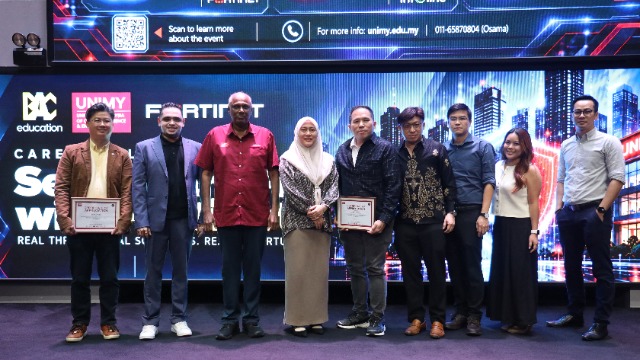
Protected: UNIMY Launches Cybersecurity Lab, Powered by Fortinet, at “Career Talk: Securing...

UNIMY Welcomes Mr. H’ng Gaik Teong as Adjunct Professor of Practice

UNIMY’s Dr. Syahril Anuar Bin Idris Awarded Prestigious Research Grant