
Doctor of Philosophy in Engineering
Lead the Discoveries That Tomorrow's Industries Will Depend On.
A PhD is not another qualification. It is a declaration that you intend to push the boundaries of what is known — to ask questions that have not been answered and build solutions that did not exist before. At UNIMY, the Doctor of Philosophy in Engineering places you at the convergence of rigorous research and real-world engineering innovation. Your work will not remain theoretical. It will drive automation, robotics, IoT systems, sustainable infrastructure, and advanced manufacturing that industries rely on tomorrow.
Programme Key Facts
-
3 to 5 Years
-
UNIMY
-
Jan, May & Sep
-
Research Thesis & Viva Voce
-
Accreditation
Future Careers
Research expertise. Global opportunities.
-
Principal Edge AI Architect
-
Director of Autonomous Robotics
-
Chief Technology Officer - Deep Tech
-
Senior Cyber-Physical Systems Researcher
-
Lead AI Policy & Education Strategist
Why This Programme Matters
- Align your research with Malaysia’s NIMP 2030, National Semiconductor Strategy, and wider science, technology, and innovation priorities.
- Progress through a dedicated doctoral research pathway with structured milestones from literature review to thesis defence.
- Conduct research within a digitally integrated campus environment supported by computational resources, hardware accelerators, and machine intelligence sandboxes.
- Receive one-to-one supervision from researchers specialising in control systems, robotics, applied AI, connected infrastructure, and advanced engineering systems.
This is a research-first doctoral programme designed for engineers who want to lead innovation, not simply follow it. Beyond compulsory training in Research Methodology and Academic Writing, your PhD journey is centred on independent research guided by experienced engineering supervisors, grounded in real-world industry challenges, and assessed through rigorous international examination standards.

Research Areas
- Intelligent Automation & Advanced Manufacturing
- Robotics & Control Engineering
- IoT for Smart Infrastructure
- Sustainable Energy Systems & Smart Grids
- Smart Cities & Urban Infrastructure
- Digital Systems & Embedded Technologies
AI-Native Learning Experience
Research with AI. Analyse with AI. Engineer with AI.
-
AI-Driven ESG Lab & Centre of Excellence
Developed in collaboration with Squarecloud, this facility utilizes an AI-driven platform for energy optimization and building performance analytics. It is an ideal sandbox for PhD candidates researching machine learning, smart infrastructure, and energy data analysis.
-
Post-Quantum Cryptography Migration Lab
In partnership with i-Sprint, UNIMY hosts Malaysia’s first lab dedicated to quantum-resistant encryption. For candidates focusing on Cyber-Physical Systems and Network Defense, this provides access to enterprise-grade cybersecurity technologies relevant to global financial institutions.
-
Integrated Digital Gateway (BACLearn)
Your research is continuously supported by BACLearn, UNIMY’s comprehensive digital ecosystem providing seamless access to microcredentials and advanced technical courses via Coursera and LinkedIn Learning to bridge any specialized technical gaps during your doctoral journey.
-
Industry-Embedded Supervision
You will not be researching in a vacuum. UNIMY’s model integrates industry practitioners into the technical discourse, ensuring your research into applied artificial intelligence, robotics, or cybersecurity is aligned with actual commercial and national demands.
-
Flexible Study Mode
Available full-time and part-time, the programme is designed to accommodate working professionals who want to pursue doctoral research while continuing their careers.
Industry Connections & Credentials
Research that connects. Engineering that applies.
Industry Partners
Doctoral research at UNIMY is not conducted in isolation from industry. UNIMY's established partnerships with technology companies, infrastructure providers, government agencies, and international institutions create opportunities for Engineering PhD candidates to connect their research with live industry challenges, real-world data, and deployed systems.
UNIMY's collaboration with Squarecloud and similar partners on AI-driven energy efficiency and smart-building analytics is one example of how UNIMY's research activity connects directly to deployed technology.
Industry Partners
- Microsoft
- AWS
- Alibaba Cloud
- Dell Technologies
- Favoriot
- Qwork
- Infoline
- MIMOS
- Censof
- Cyberview
- CyberSecurity Malaysia
- TalentCorp
- Ministry of Human Resources
- MDEC
Earn Microcredentials from the World's Best Universities & Global Tech Giants
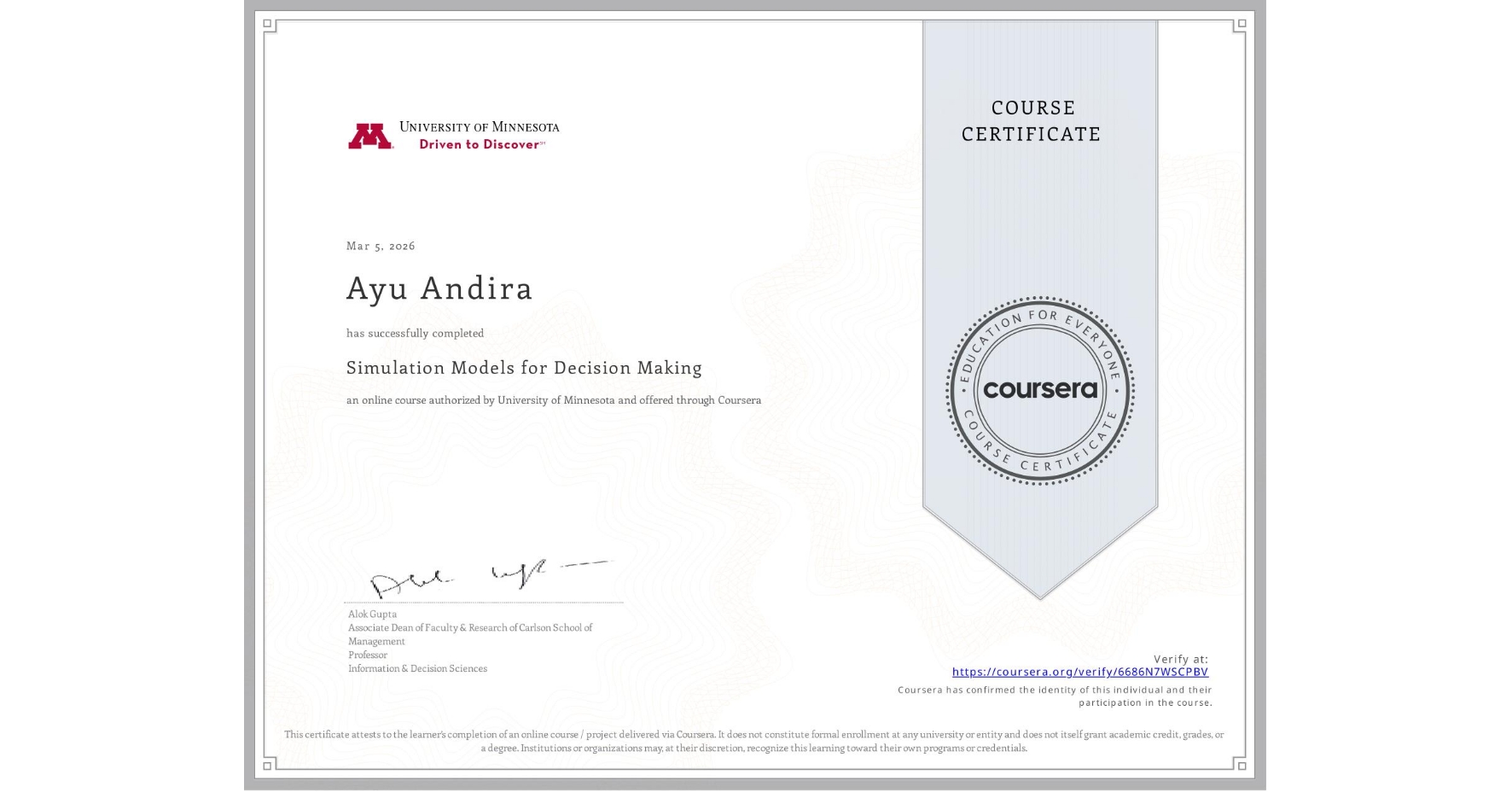
- Introduction to Embedded Systems Software and Development Environments by University of Colorado Boulder
- Edge AI for Microcontrollers Specialization by Edge Impulse
- Deep Learning Specialization by DeepLearning.AI
- Robotics & Robots Specialization by Università di Napoli Federico II
- Modern Robotics: Mechanics, Planning, and Control Specialization by Northwestern University
- AI for Autonomous Vehicles and Robotics by University of Michigan
- Teaching AI on the Edge by Arm Education
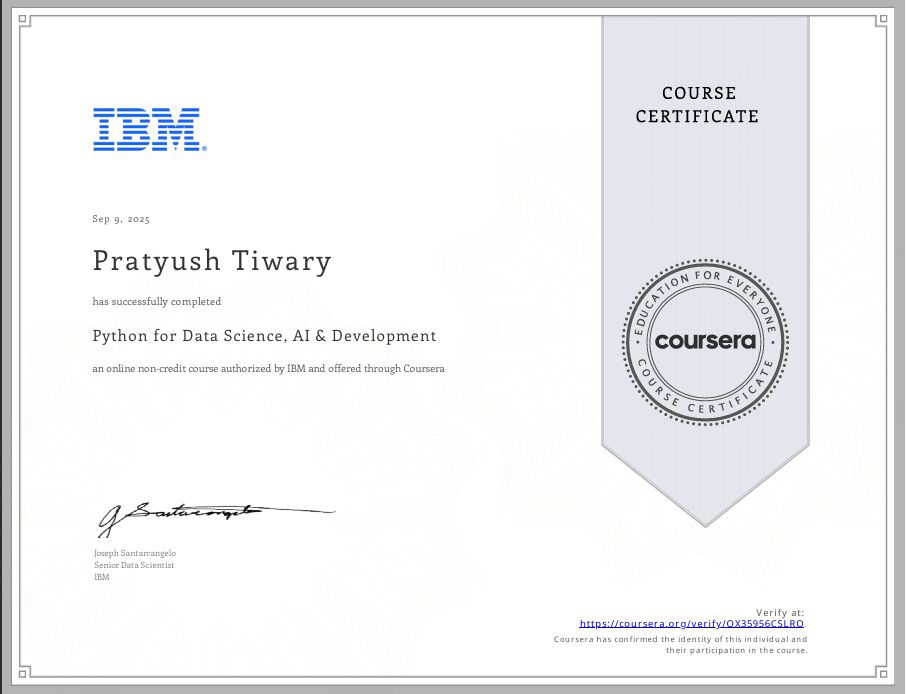
- IBM AI Engineering Professional Certificate by IBM
Career Outcomes
Progression Pathways
A PhD in Engineering from UNIMY places you among the most qualified engineering professionals in Malaysia and internationally.
The combination of doctoral-level research expertise, UNIMY's specialised focus in computing and frontier engineering, and active industry partnerships means Engineering PhD graduates emerge not just as credentialed academics but as credible engineering leaders. Whether you go into academia, senior-level R&D, government advisory, or deep-tech entrepreneurship, your PhD signals a level of rigour, depth, and independent thinking that very few professionals can match.
Student Experience
Doctoral study in Engineering is defined by supervision, research infrastructure, and the intellectual community around you.
-

Advanced Research Labs
Access to modern computing labs, networking facilities, cybersecurity tools, robotics and automation labs, and IoT-equipped smart-classrooms that support Engineering PhD research.
-

Research Community
A community of fellow doctoral candidates, research faculty, and visiting scholars across computing and engineering disciplines — giving you the critical mass of minds needed for serious research.
-

Industry Research Connections
Direct access to UNIMY's industry-partner network for collaboration, data access, and professional connections that extend the impact of your research beyond the university.
-

International Academic Network
UNIMY's partnerships with universities in Indonesia, China, Mauritius, and beyond create opportunities for collaborative research, co-supervision, and international academic engagement.
-

Campus Life
Esports, wellness facilities, regular events, and a campus culture centred on curiosity and ambition — because even Engineering PhD researchers need a life beyond the lab.
Entry Requirements
A recognized Master’s Degree (Level 7, Malaysian Qualifications Framework - MQF) or its equivalent, accepted by the University Senate.
Scholarships & Financing
UNIMY is committed to making doctoral education accessible to qualified candidates regardless of financial background.
- BAC Education Fund
- EPF Withdrawals
- EZ Payment Plans
Speak to a Future Advisor
Get personalised guidance for your doctoral journey.