Behind The Screens: What LEVEL UP KL taught us about the future of SEA Game Development
By Bhuiyan Niamot Ullah (Saad), Bachelor Of Game Technology, 2nd Year, UNIMY
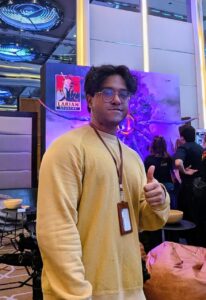
Developers chatting in every corner. Players crowded around indie booths. Controllers clicking, screens flashing. That is what hits you the moment you step into LEVEL UP KL.
So what is LEVEL UP KL? It is Southeast Asia’s biggest yearly conference for game developers, organised by the Malaysia Digital Economy Corporation (MDEC). Game studios, publishers, investors and developers from Malaysia and overseas come to network, share ideas and show off games that are still in the making. I attended the event at Nexus Bangsar South on the 15th and 16th of October 2026. It turned out to be much more than business talk.
“There’s no community here”
On my way to the event, I met a fellow attendee who said Malaysia’s game development scene has “a lack of community.” I kept that thought in my head as I walked in. Inside, I found the opposite: hundreds of people who love making games, sharing the same space.
The Big Names
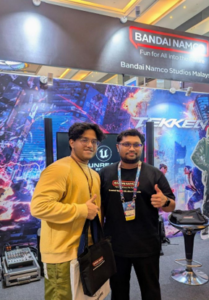
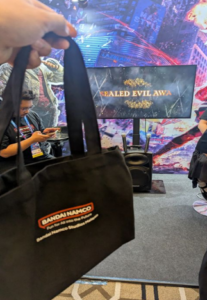
The first thing that surprised me was the Bandai Namco booth. Bandai Namco is the Japanese publisher behind Tekken (a popular fighting game), Dark Souls and Elden Ring (two very challenging fantasy games), and even the classic Pac-Man. My friends and I played Tekken on a big screen, and we left with free official merchandise. Did you know Bandai Namco has had a studio in Petaling Jaya since 2016?
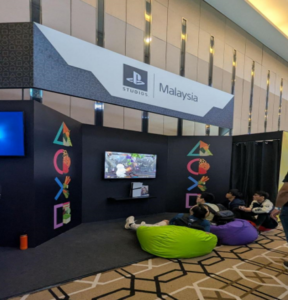
PlayStation had a booth too, though smaller. You could try the new Wolverine game, but the queue was so long that I skipped it.
The Indie Corner
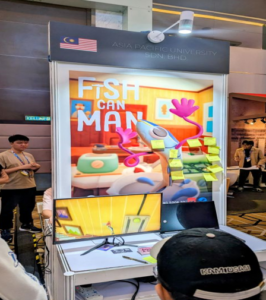
Walking further in, you find indie teams from Japan, Singapore, Hong Kong, Thailand, Indonesia and Malaysia. “Indie” means small, independent studios that make games without a big publisher behind them. I tried their demos (short playable samples) and talked to the developers and artists behind them.
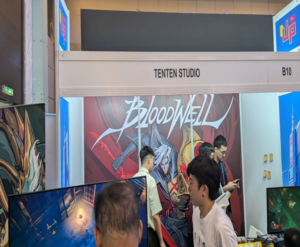
One team stood out. Ten Ten Studios Malaysia is known for outsourcing work, which means making concept art and 3D models for other companies’ games. Now they are making their own first game, called Boodwell, a brand-new game idea (what the industry calls an “IP”). It is a top-down roguelike metroidvania, similar to Hades. In plain words: you explore a big connected map, you grow stronger as you unlock new abilities, and every time you lose, you start again with the level changed. The game looked clean, sounded great and felt polished enough to release tomorrow. I also chatted with the concept artist, Lee Jack. I am a freelance illustrator myself, so I wanted to tell him he did great work.
Meeting My Game Heroes
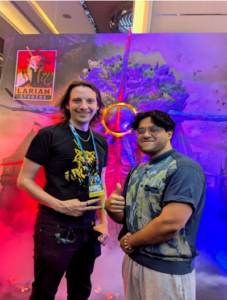
I love fantasy games, especially Baldur’s Gate 3, a role-playing game based on Dungeons & Dragons (D&D), the tabletop game where players create characters and tell a story together. I was thrilled to meet Stijin Doyen, one of the game’s senior programmers. He was busy, but I managed to get a photo with him. Afterwards, I read about his journey into game development and was surprised at how similar it is to the path I am on.
Larian Studios, the studio behind the game, also has a Malaysian studio, open since 2019.
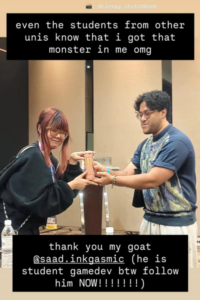
I also gave a small gift to Sophie Azlan, a game developer, lecturer and a voice for UNIMY’s game development students. Ms. Sophie runs her own community called Playing Ground Malaysia where she inspires the next generation of game developers.
The Awards
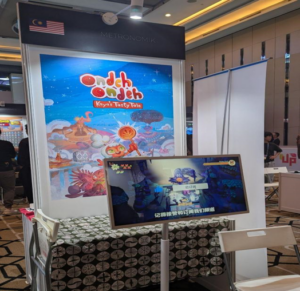
On day one, a SEA game awards show took place after the expo closed. It was only open to finalists and judges, so I could not attend. According to sources, Ondeh Ondeh Kaya’s Tasty Tale was the big winner of the night.
The Best Part
The highlight for me was the Playing Ground hangout. I met talented game development graduates and industry veterans, pitched my own game ideas and received honest feedback. We shared similar struggles, and it felt like being welcomed into a family. That is when the “lack of community” comment I heard on the way in made no sense to me anymore.
What This Means For Students
LEVEL UP KL taught me three things:
1. The industry is closer than you think. Big names like Bandai Namco [and Larian] have studios in Malaysia, so careers in games do not require leaving the country.
2. Local talent is making real games. Studios like Ten Ten are moving from helping others to making their own games.
3. Community is waiting for you. Many of the developers I met were sitting in a classroom just a few years ago, and they were happy to give advice.
Lectures give you the foundation, but events like this show you what it takes to finish and release a game. I left with a strong urge to get back to my desk and build something. If you are working on a semester project or dreaming of your first indie game, my advice is simple: start making, keep sharing, and see you at LEVEL UP KL next year.
The UNIMY Student Spotlight series shares the journeys, achievements, and experiences of UNIMY students as they navigate their academic and professional pathways.